Most homeowners eventually ask the same question: "How much longer can my air conditioner keep going?"
It's a fair question, especially when repair bills start appearing more often, or summer utility costs begin creeping upward.
The truth is that there isn't a single lifespan that applies to every system. Some air conditioners struggle after a decade, while others continue running well beyond 15 years. The difference often comes down to installation quality, maintenance habits, usage, and local conditions.
If you're wondering whether your AC is still in its prime or nearing retirement, here's what to know.
The Average Lifespan of an Air Conditioner
Most central air conditioning systems last between 10 and 15 years.
That range isn't a guarantee, but it's a realistic expectation for many homeowners.
Some systems make it past the 15-year mark without major issues. Others experience significant problems earlier because of heavy usage, neglected maintenance, or installation mistakes that create long-term strain on the equipment.
Age alone doesn't determine whether a system should be replaced. Performance, reliability, and repair history matter just as much.
Why Some Air Conditioners Last Longer Than Others
Two air conditioners installed on the same day can have very different lifespans.
Several factors influence how long a system remains dependable.
Installation quality
An air conditioner that is improperly sized or poorly installed often works harder than necessary from day one.
Oversized units may short-cycle, while undersized systems can struggle to keep up during peak summer temperatures. Both situations place unnecessary stress on equipment.
Maintenance history
Routine maintenance helps catch small issues before they become expensive ones.
Dirty coils, loose electrical connections, low refrigerant levels, and airflow restrictions can all shorten the life of a system if they're left unaddressed year after year.
Usage patterns
In areas where air conditioners run for long stretches during hot, humid summers, equipment naturally accumulates more wear than systems used only occasionally.
Environmental conditions
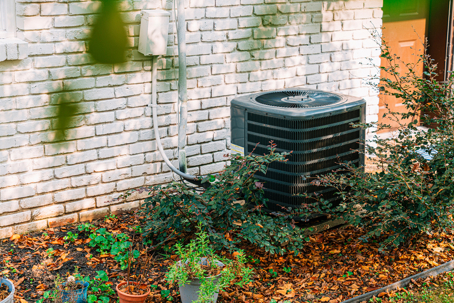
Outdoor units constantly face exposure to weather, dirt, pollen, landscaping debris, and moisture. Over time, those conditions can affect efficiency and component longevity.
Signs Your AC Is Aging Normally
Not every issue means your air conditioner is nearing the end.
Many older systems continue operating reliably while showing minor signs of age.
You may notice:
- Cooling cycles lasting slightly longer than they used to
- Increased noise during startup
- Small repairs becoming more common
- Gradually rising energy costs
- Less consistent temperatures between rooms
These changes don't automatically mean replacement is necessary. However, they can indicate that the system is beginning to lose efficiency as components wear down.
When Repairs Start Becoming a Pattern
One repair every few years isn't unusual. The concern comes when service calls become routine.
If you're repeatedly dealing with capacitor failures, refrigerant leaks, blower motor problems, or electrical issues, it's worth looking at the bigger picture.
At some point, homeowners find themselves spending money simply to keep an aging system operational rather than improving performance.
A technician can help compare ongoing repair costs against the expected benefits of replacement.
Rising Energy Bills Can Be a Clue
Many homeowners notice efficiency loss before they notice cooling problems.
An older air conditioner may still reach the desired temperature, but it often takes longer and uses more electricity to get there.
If utility bills continue increasing despite similar usage habits, aging equipment may be part of the reason.
Changes in efficiency tend to happen gradually, which is why many people don't immediately connect higher energy costs to an older cooling system.
The Importance of Regular Maintenance
One of the biggest factors affecting air conditioner lifespan is routine maintenance.
Annual inspections allow technicians to identify wear, clean critical components, verify refrigerant levels, and address developing issues before they become major problems.
Homeowners can also help extend system life by:
- Replacing air filters regularly
- Keeping supply vents open and unobstructed
- Clearing debris around outdoor equipment
- Monitoring unusual sounds or performance changes
- Scheduling service when small issues appear
These simple habits reduce strain on the system and help it operate more efficiently over time.
Should You Repair or Replace an Older Air Conditioner?
This is often the hardest decision homeowners face.
In many cases, repairing an older system still makes financial sense. If the repair is minor and the equipment has been reliable, replacement may not be necessary.
On the other hand, replacement becomes a more serious consideration when:
- The system is approaching 15 years old
- Major components are failing
- Repairs are becoming frequent
- Energy costs continue climbing
- Comfort problems are becoming difficult to ignore
Every situation is different. The goal isn't simply to replace equipment because of age but to determine whether the system still provides dependable value.
Knowing When to Have Your System Evaluated
If you're unsure how much life your air conditioner has left, a professional assessment can provide a clearer picture.
An inspection can reveal the condition of major components, identify developing problems, and help you understand whether maintenance, repair, or replacement makes the most sense for your situation.
Whether you need air conditioning maintenance, AC repair, or guidance on replacing an aging system, Valairco can help you make an informed decision based on the condition of your equipment—not just its age.
Call (855) 661-3300 or visit our website to schedule an evaluation.