
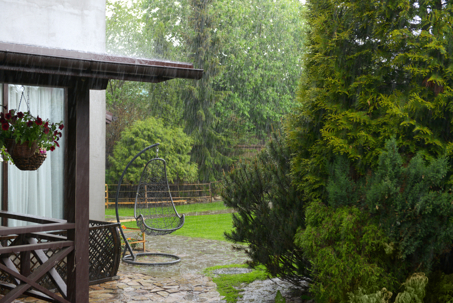
Spring in Central New Jersey brings a welcome change of scenery, but the rising temperatures and heavy rainfall also change the environment inside your home. While we often focus on the flowers blooming outside, the combination of moisture and warmth significantly affects the quality of the air you breathe every day. Understanding how these seasonal shifts impact your indoor space is the first step toward maintaining a healthy, comfortable household.
The Connection Between Spring Showers and Indoor Moisture
When it rains consistently throughout the spring, the ground becomes saturated, and the air holds a high amount of water vapor. This external moisture doesn't just stay outside; it finds its way into your home through open windows, door frames, and even tiny cracks in the foundation. Once inside, this moisture can become trapped, leading to a sticky or muggy feeling that makes your living areas feel warmer than they actually are.
To manage this influx of moisture, your home needs a way to either block the entry of water vapor or remove it once it arrives. High humidity levels can make it difficult for your body to cool itself through natural evaporation. This often leads to discomfort, even when the thermostat is set to a reasonable temperature, because your skin cannot remain dry.
You can monitor your home's response to spring rain by looking for these specific signs of moisture buildup:
- Condensation or fogging appears on the interior glass of your windows.
- A persistent musty odor in basements, crawl spaces, or closets.
- Visible damp spots on ceilings or walls after a heavy downpour.
- Cupboard doors or wooden floorboards that seem to stick or creak more than usual.
How Humidity Influences Your Cooling System
Your air conditioner has two main jobs: lowering the temperature and removing moisture from the air. During a humid New Jersey spring, the unit has to work twice as hard to pull water vapor out of the air before it can effectively lower the sensible heat you feel. If the humidity is too high, your system might run longer cycles, which can lead to increased wear and tear on mechanical parts.
When an HVAC system struggles to keep up with the moisture, it often results in "short-cycling." This is where the unit turns on and off rapidly without ever truly balancing the indoor climate. This not only impacts your comfort but can also lead to higher monthly utility bills. Keeping your system in peak condition ensures it can handle the dehumidification process without straining the motor or compressor.
Spring Allergens and Indoor Air Quality
Spring rain is a bit of a double-edged sword when it comes to air quality. While heavy rain can temporarily wash pollen out of the air outside, the dampness it leaves behind can trigger the growth of other irritants inside, such as mold and dust mites. These microscopic triggers thrive in environments where the humidity level stays above 50%.
When humidity is high, the air becomes heavier, which can cause dust and allergens to linger in your breathing zone rather than settling. For family members with respiratory sensitivities, this change in air composition can lead to increased sneezing or discomfort while indoors. Improving the way your home filters and cleans the air is vital for a healthy spring season.
Proactive steps to manage indoor air during the damp months include:
- Using high-efficiency pleated filters rated to capture microscopic spores.
- Keeping windows closed during high-pollen days following a rainstorm.
- Utilizing exhaust fans in kitchens and bathrooms to vent steam.
- Running your HVAC fan on the "on" setting for continuous filtration.
Protecting Your Home from Mold and Mildew
Mold spores are everywhere, but they need moisture to grow and colonize. The consistent dampness of spring provides the perfect breeding ground, especially in dark or poorly ventilated areas like attics and wall cavities. Once mold begins to grow, it releases spores into your ductwork, which then distributes them throughout every room in the house.
Preventing this growth requires a combination of moisture control and consistent airflow. By keeping your indoor humidity levels between 30% and 50%, you create an environment where mold cannot easily take hold. This protection is not just about the structure of your home; it is about ensuring the air circulating through your vents remains clean and safe for your family to breathe.
Maintaining Balance for Long-Term Comfort
The key to a healthy home during the spring is finding a balance between temperature control and moisture management. When these two factors are in sync, your home feels fresh, smells clean, and provides a true sanctuary from the elements outside. Neglecting the impact of humidity can lead to a cycle of discomfort and potential damage to your home's interior finishes and mechanical systems.
Taking a professional approach to your indoor environment allows you to address the root causes of poor air quality rather than just treating the symptoms. A system that is calibrated to handle the specific challenges of the Central New Jersey climate will perform more reliably and efficiently. This proactive care saves you stress and money over the long term.
Understanding the unique needs of your home involves:
- Recognizing that comfort is a combination of both dry air and cool air.
- Learning how your specific HVAC model handles moisture removal.
- Being aware of how outdoor environmental changes impact your indoor health.
The Importance of Professional Air Management
Managing the complex relationship between spring rain and indoor air quality requires a technical understanding of how moisture moves through a building. When humidity levels are left unchecked, the resulting strain on your cooling equipment and the decline in air cleanliness can lead to preventable costs and household frustration. Prioritizing a balanced indoor climate ensures that your home remains a safe, efficient, and comfortable environment regardless of the weather in Somerset County.
Valairco addresses these seasonal challenges through specialized services like indoor air quality assessments and precision air conditioning maintenance. We focus on technical solutions such as installing air scrubbers to neutralize spores or performing a detailed AC repair to ensure your system’s dehumidification cycle is functioning correctly. By optimizing your current equipment or assisting with a new AC installation, we help ensure your home’s air stays fresh and dry all spring long.
If you have noticed a musty smell or a sticky feeling in your home lately, don't wait for the summer heat to make it worse. Contact Valairco today at (855) 661-3300 or message us online to schedule your professional air quality evaluation.